The Stukent
E3 Learning Experience
An innovative framework
for student success
It’s no secret: Experiential learning helps your students master course concepts more effectively. To support you in delivering effective curricula for your students, Stukent created the E3 Learning Experience, which is a framework for adding virtual work-integrated learning opportunities to any course or class modality.



Engage.
Enrich.
Encode.
How does the E3 Learning
Experience work?
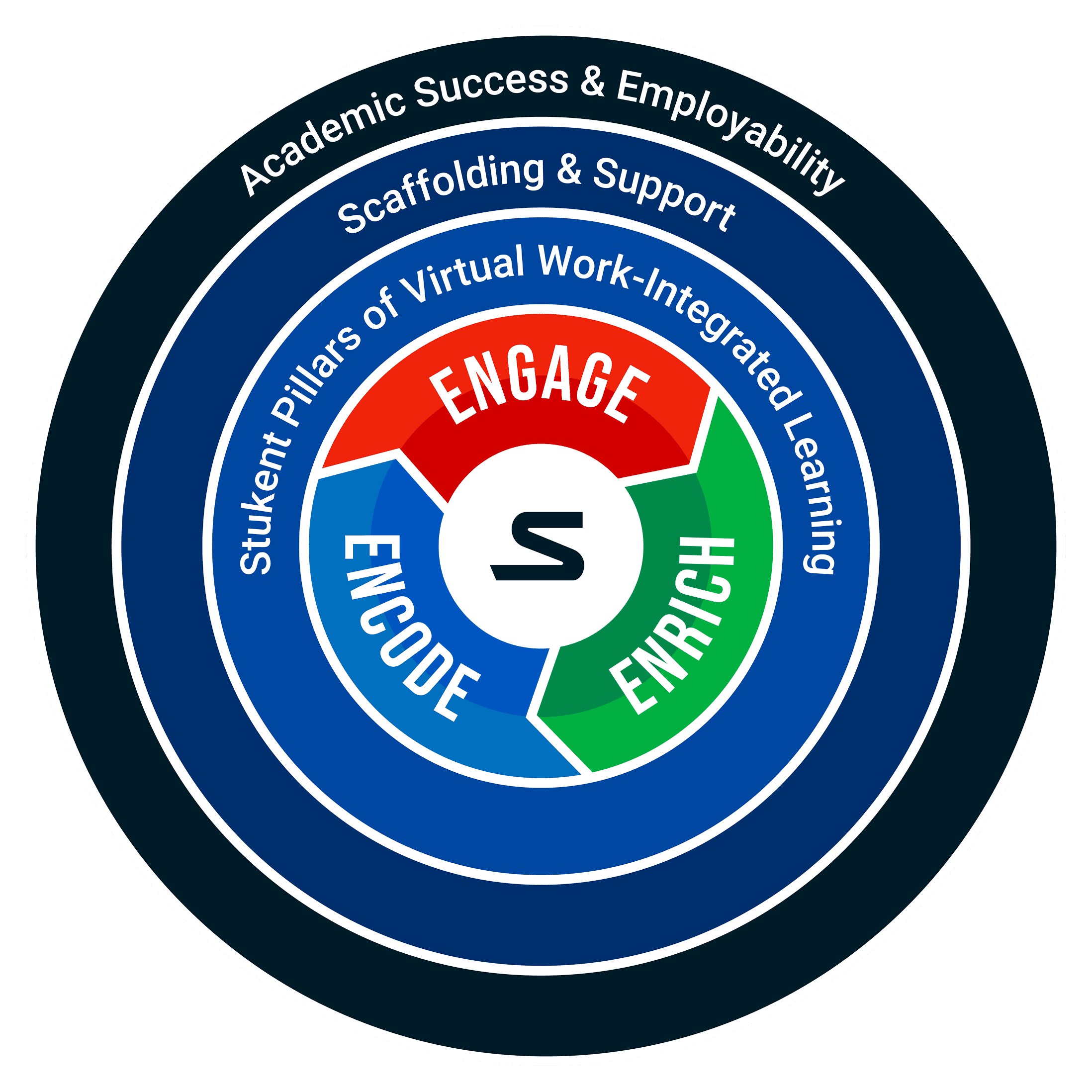
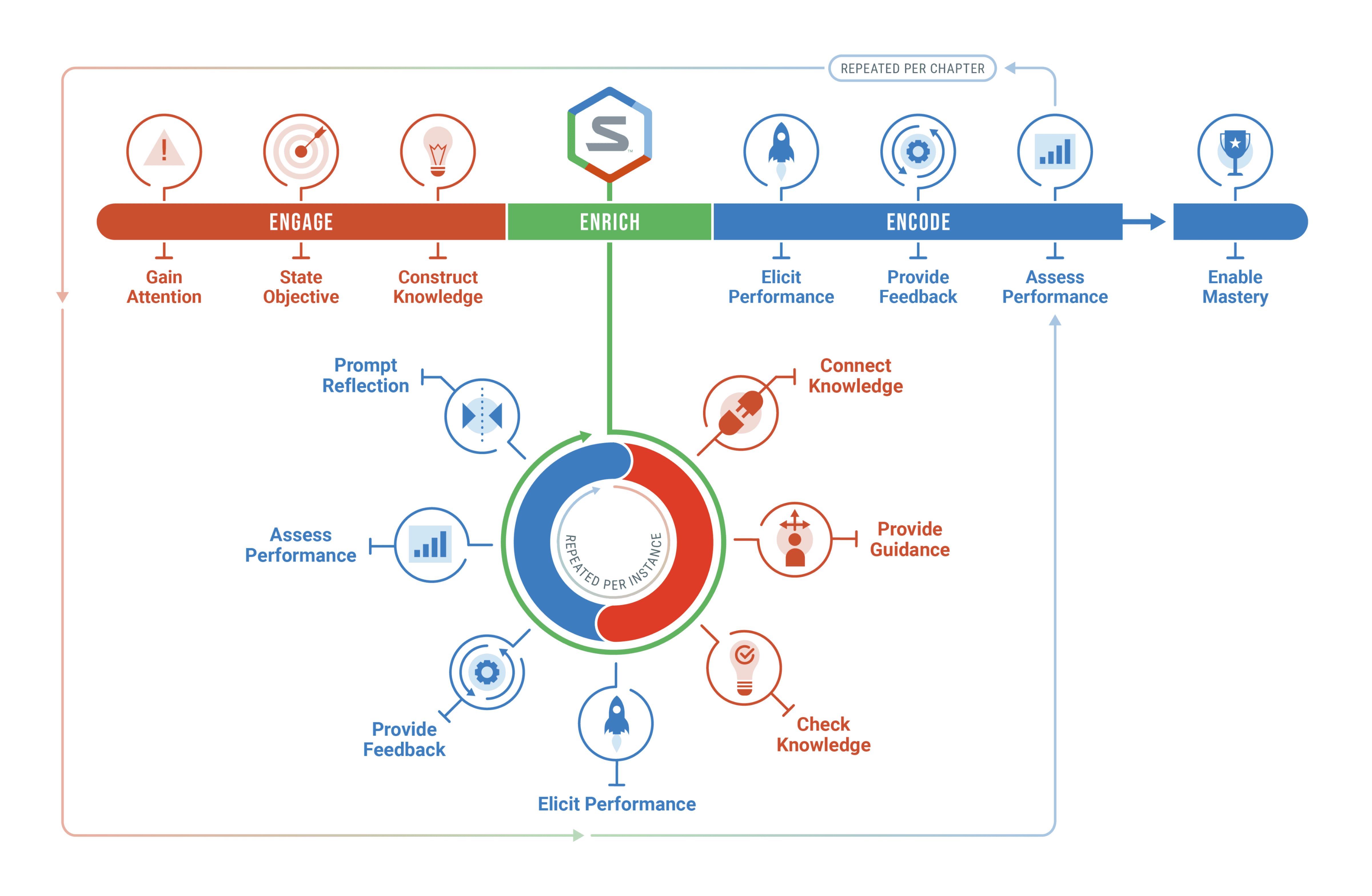
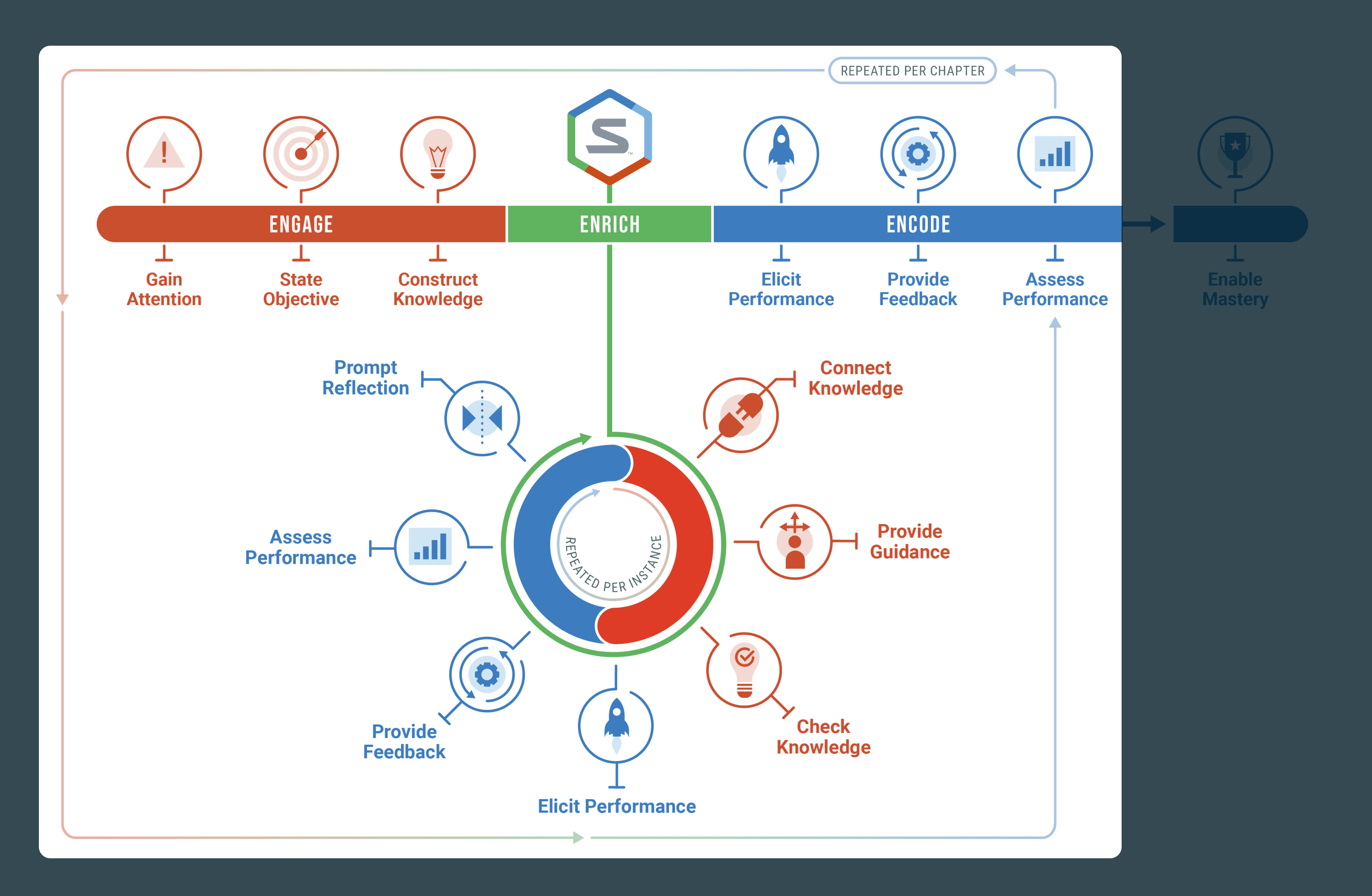
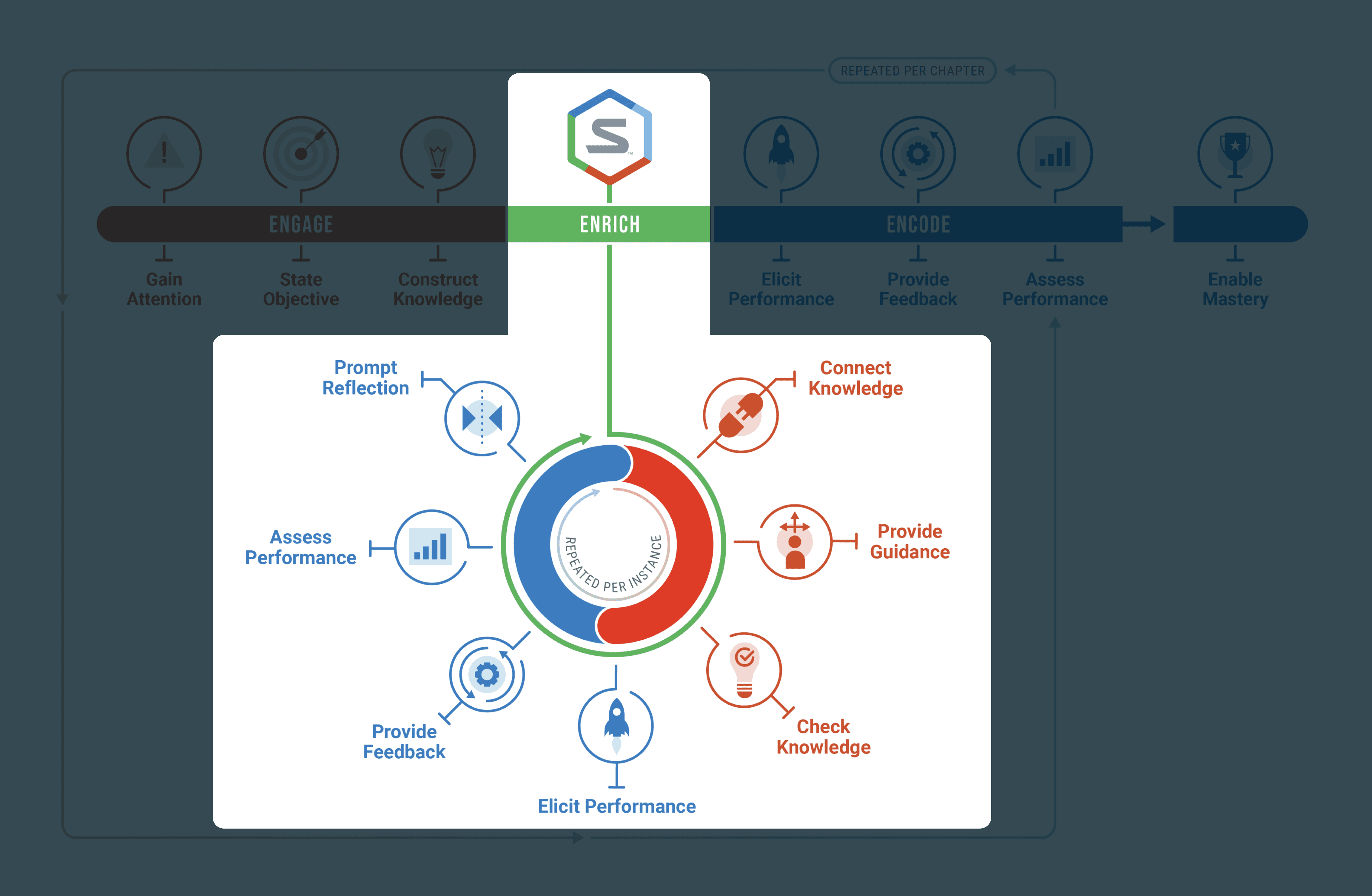
The E3 Learning Experience formalizes the learning journey in Stukent Simternships and courseware in three phases: Engage, Enrich, and Encode.

Engage.
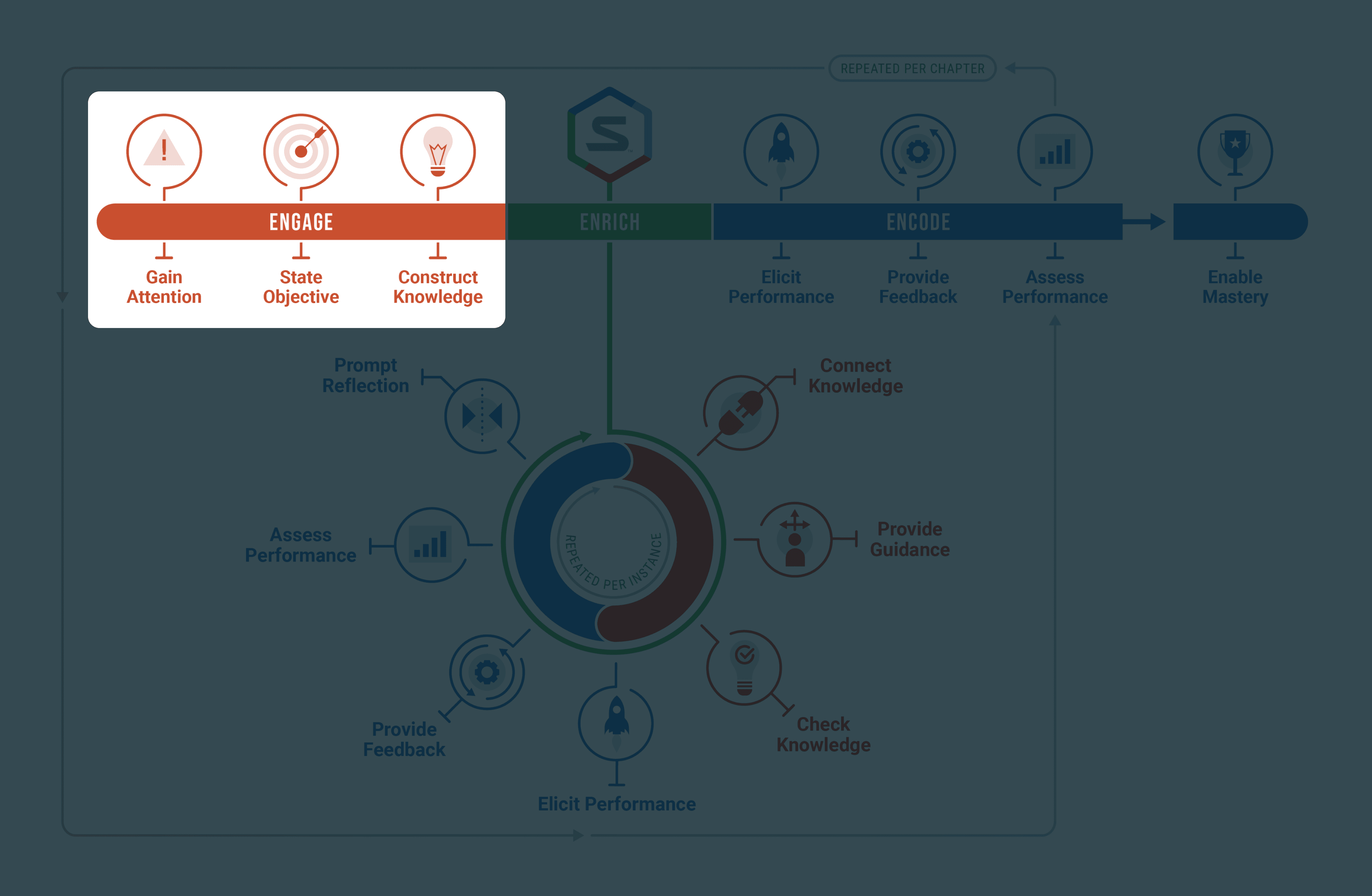
The Engage phase represents the knowledge acquisition process. This phase communicates the relevance of the course to the students, establishes learning objectives, and presents the core knowledge pathway.
Interactive quizzes, videos, and case studies transformed passive reading into an active learning process. Each module was a building block in my understanding, paving the way for a more profound grasp of subjects that had once seemed daunting.”
Jacob I.
Student, Cleveland State University
Enrich.
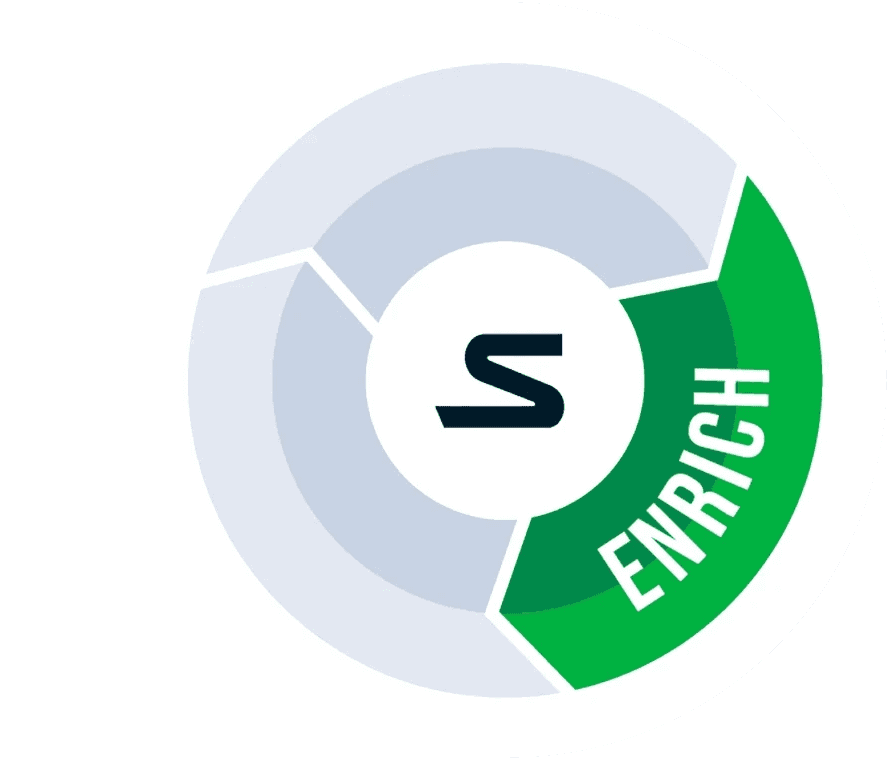
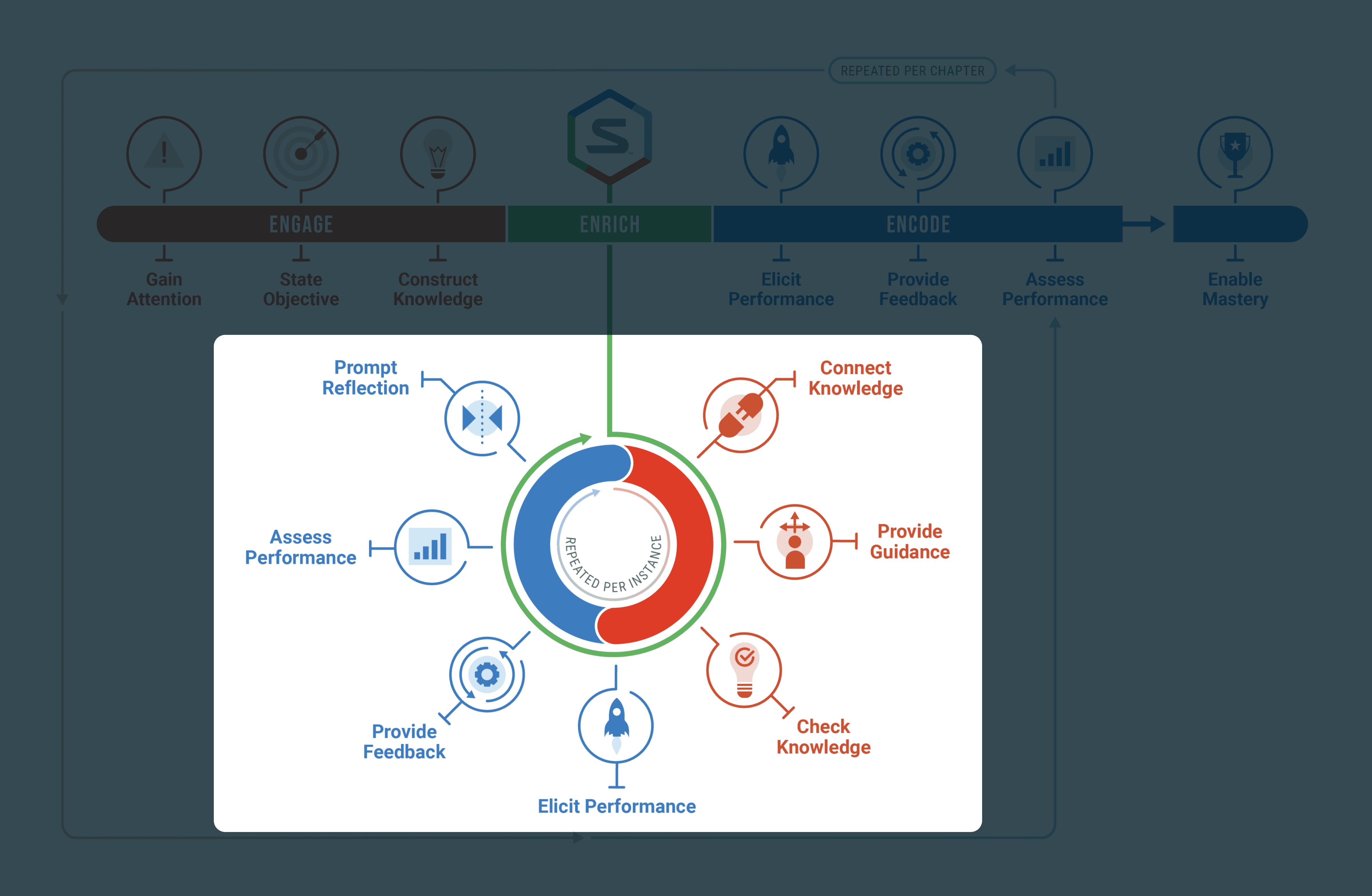
Once learners are familiar with a concept, the Enrich phase connects core instruction to real-world experiences. In this phase, students put new knowledge to work while developing technical and core skills through Simternships and other experiential learning opportunities.
93.5% of business students at Kennebec Valley Community College passed an introductory accounting course after using the Stukent Financial Accounting Simternship — a 345% increase in the pass rate!
By implementing the simulation, the instructors at Kennebec Valley had 4.5 times more students pass their courses.

Encode.
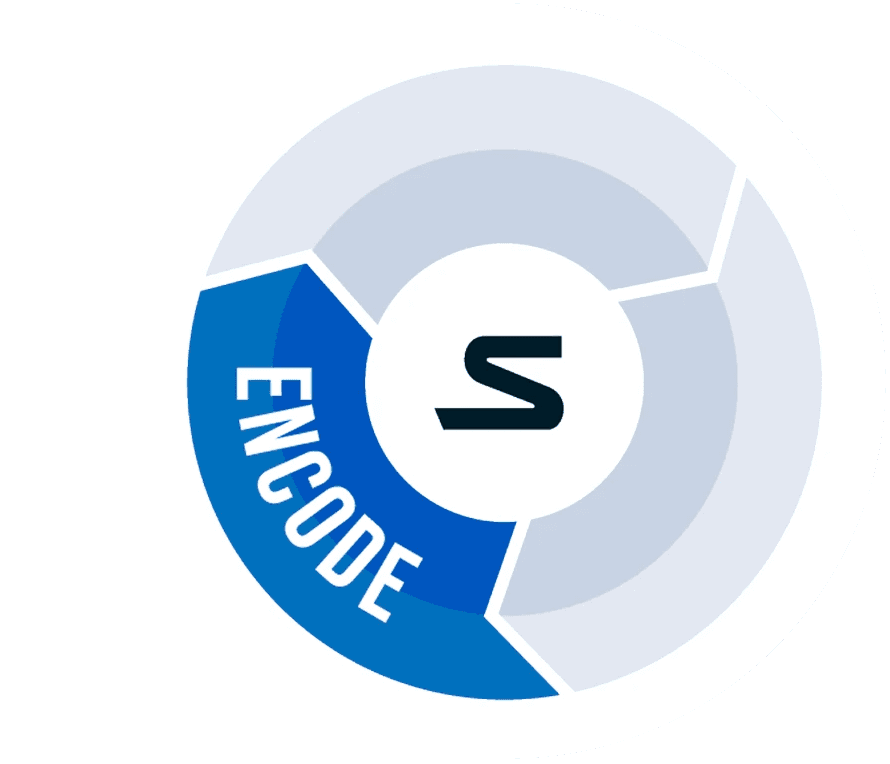
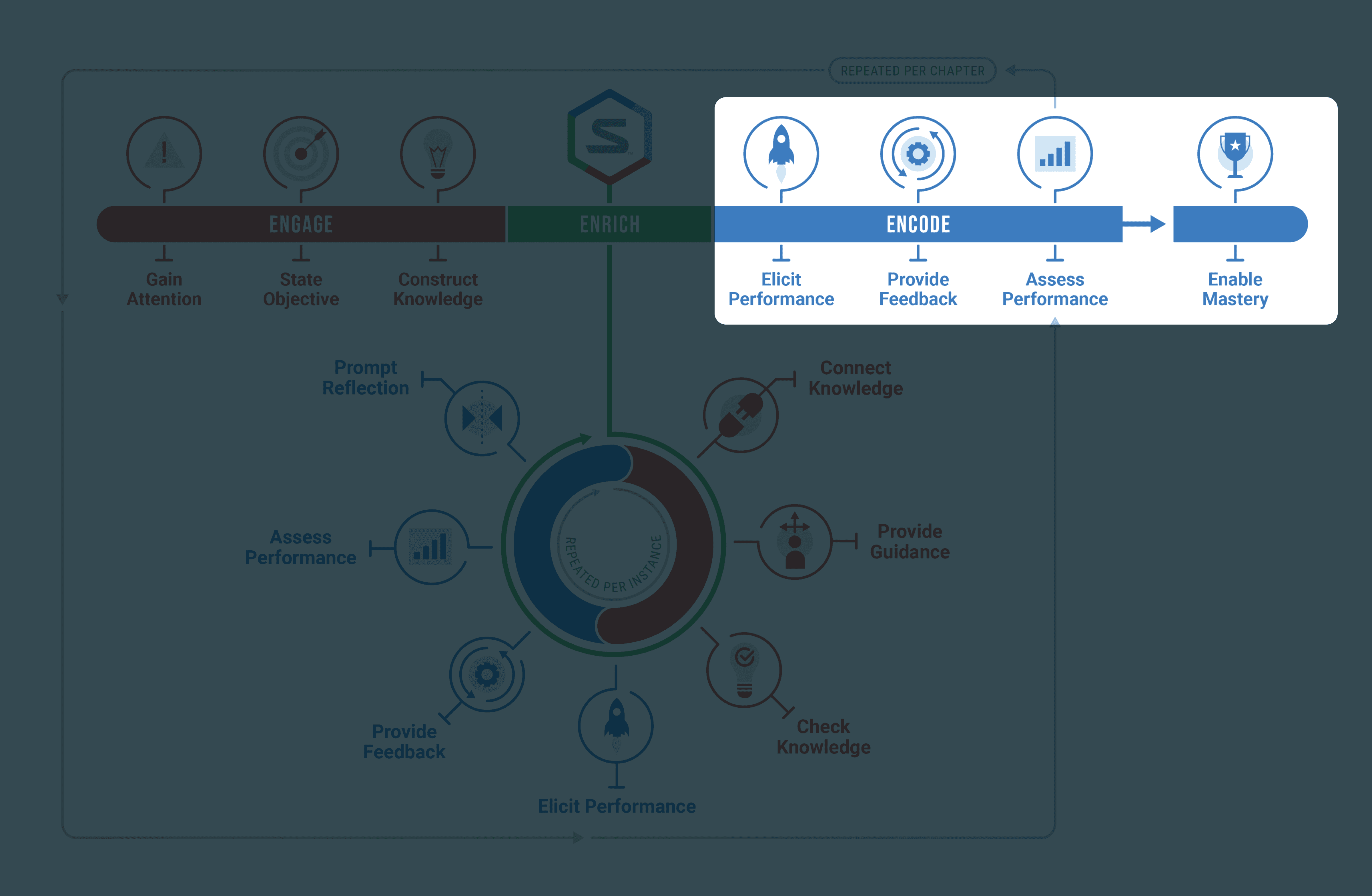
The final phase of the E3 Learning Experience is Encode. In educational terms, encoding is the “process of taking information into our brain where it can be organized and stored” (Farthing, 2024). In the Encode phase, students transform new knowledge into real-world expertise through repeated formative practice and summative assessments in Simternships and courseware.
I have two students who are currently working at one of Ad Age’s top agencies in the world — the sole reason they got their jobs was the PPC experience they [gained] from the Stukent Digital Marketing Simternship.”
Ryan Russell
Adjunct Professor, The University of Tennessee at Chattanooga
The pillars of the E3 Learning Experience
1
Builds a comprehensive knowledge and skill base
2
Allows for just-in-time, experiential application of knowledge and skills
3
Includes deliberate, practiced activities that allow for productive failure
4
Is self-driven and self-relevant for learners
5
And is representative of an authentic work environment
1
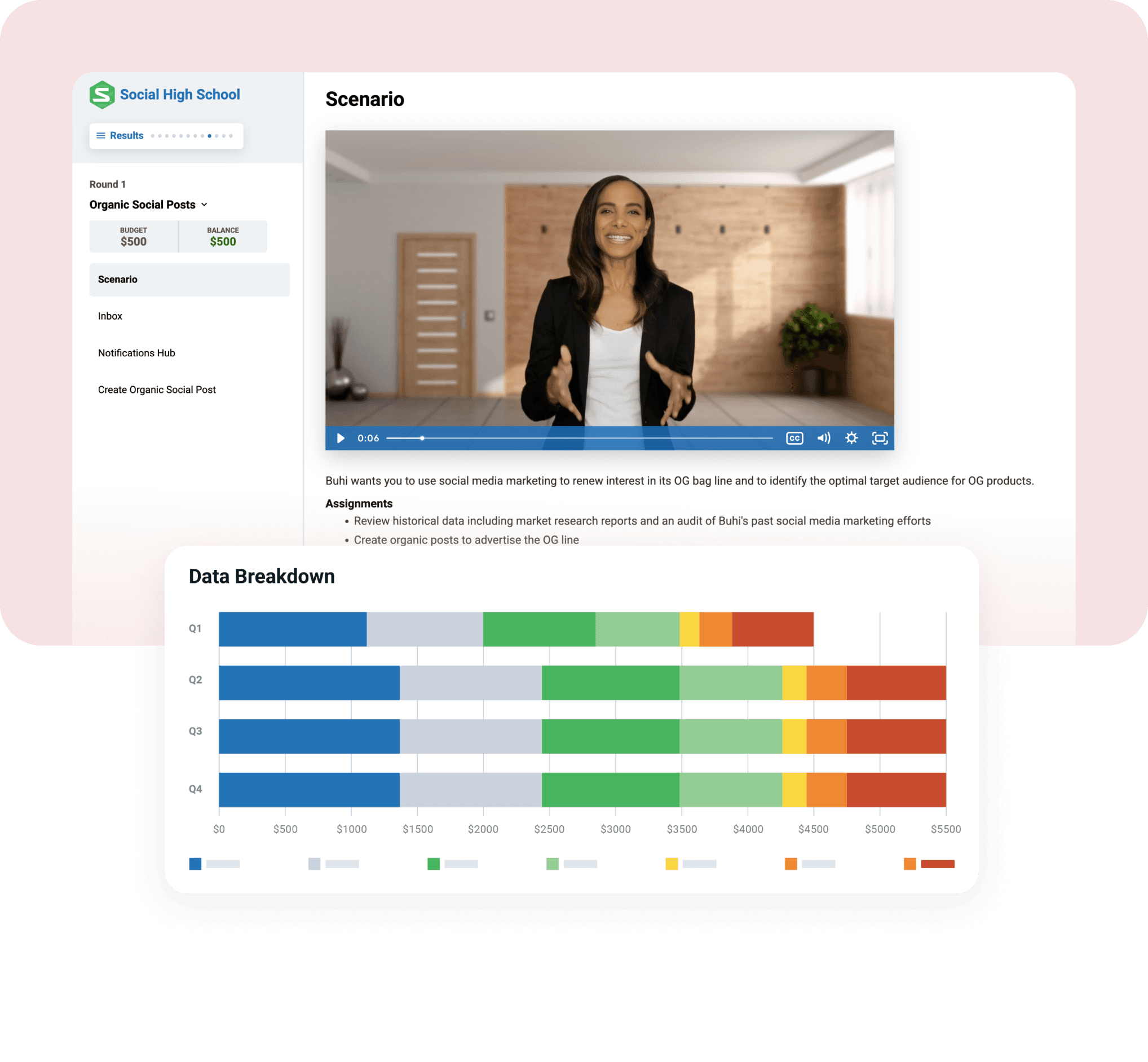
Stukent Simternships and digital courseware create an active learning experience that builds industry knowledge and skills. The courseware develops conceptual understanding, while a Simternship allows students to apply those concepts in real-world scenarios.
The simulation rounds absolutely reinforce what [students] are learning in lectures, discussions, interactive in-class activities, and assignments. It all ties together … and gives them new vocabulary and knowledge that is really transferable, especially when they get to job interviews.”
Rebecca Cooney
Professor, Washington State University
2
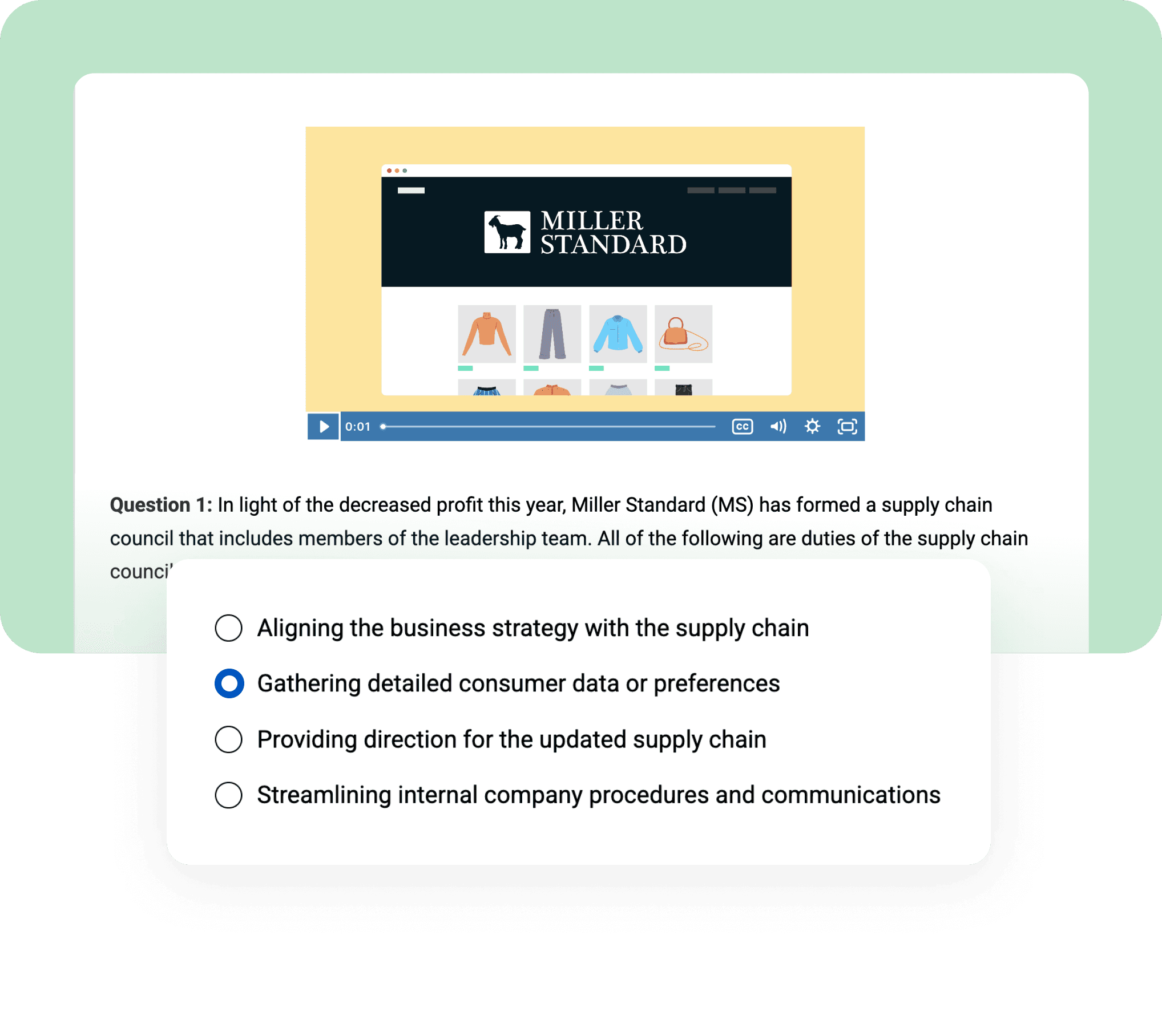
Just-in-time learning connects knowledge, application, and feedback at the exact moment a student needs it most. Courseware delivers the core concepts, while Simternships provide a space to apply them right away, with immediate, instructive feedback addressing gaps as they arise.
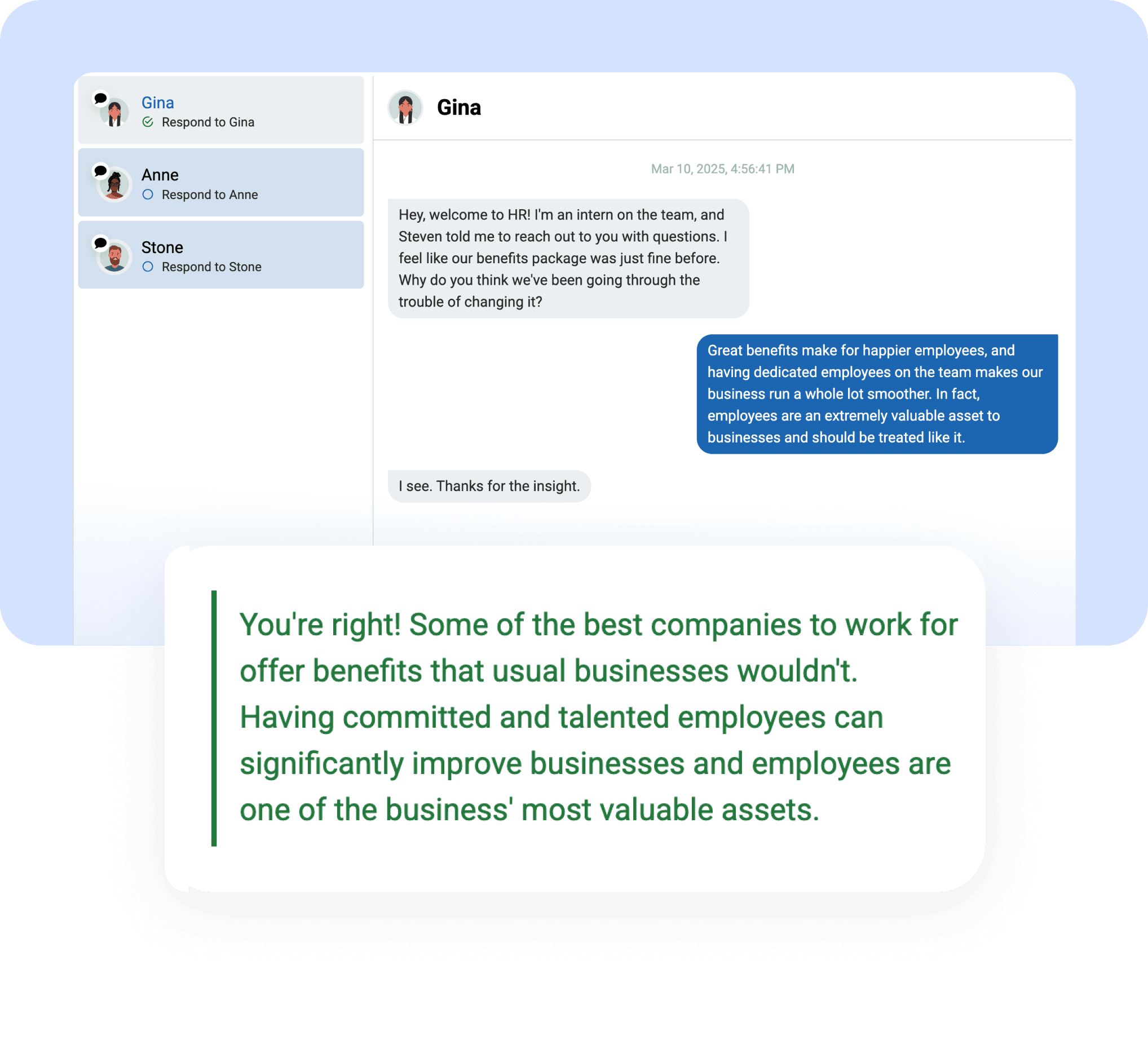
The simulations allow the students to take what they're learning in the chapters and apply it in a real-world experience. The feedback that I get from them is ‘This is great, I'm … acting out being a social media person or talking to clients in the personal branding.’ It really makes a big difference in how they retain the information.”
Traci Bitler
Assistant Professor, Rhodes State College
3
Simternships and courseware give students a low-risk, simulated environment to practice new skills. Immediate feedback via auto-graded activities corrects students’ misconceptions before misinformation can be encoded, giving them the competence and confidence they need going into higher stakes assessments.
Stukent [Simternships take] away the threat of failing a little bit, [because students] have the opportunity to see [what] works in real-time.”
Lorrie Mowry
Instructor, Mid-Plains Community College

4
Simternships and courseware make it easy to see how course concepts apply to the real world. If students find a course useful, interesting, or essential to their future careers, their motivation for learning increases.
The Simternship gave me a broader understanding of what daily work in each career category would look like. Having taken business classes in high school, I had originally thought marketing was what I was most interested in based on the content. However, after using the application on actual work tasks, I found that I gravitate toward finance more than marketing.”
Anonymous
Student, Washington State University

5
Stukent Simernships mimic authentic work environments and real-world tasks, allowing students to develop skills, build confidence, and prepare for the workforce.
“Stukent Simternships helped me land my very first marketing job! [The simulations were] intuitive and fun to use. Each simulation highlighted different skill sets and felt so real — even down to the buyer personas and interactions with customers. And the best part? Everything I learned in the simulations I do now as a marketing coordinator at OnPay!”
Alissa H.
Graduate, Clayton State University
Helping students get hired
Increase student employability with
the E3 Learning Experience
With the E3 Learning Experience, student mastery yields not only
improved academic performance but increased employability.
The E3 Learning Experience helps students …





In virtual work-integrated learning, 'Employability is just as much a focus as a good grade … We want them to be able to do, not just know.'
Ann-Michelle Levangie
Director of Instructional Design, Stukent

Schedule a demo with a Stukent course consultant today!
Why Is Hands-on Application So Important?
Students will remember information in the manner in which it is encoded in the brain. In a 2014 article, Chi and Wylie stated, “If a student has only learned the material in an encapsulated way (i.e., the information was stored in an isolated way while learning), then the student can only recall facts” (227).² If students only learn facts from a textbook, they will struggle to apply them in new, diverse situations.
Students need hands-on experience to transfer new knowledge to real-world scenarios.